
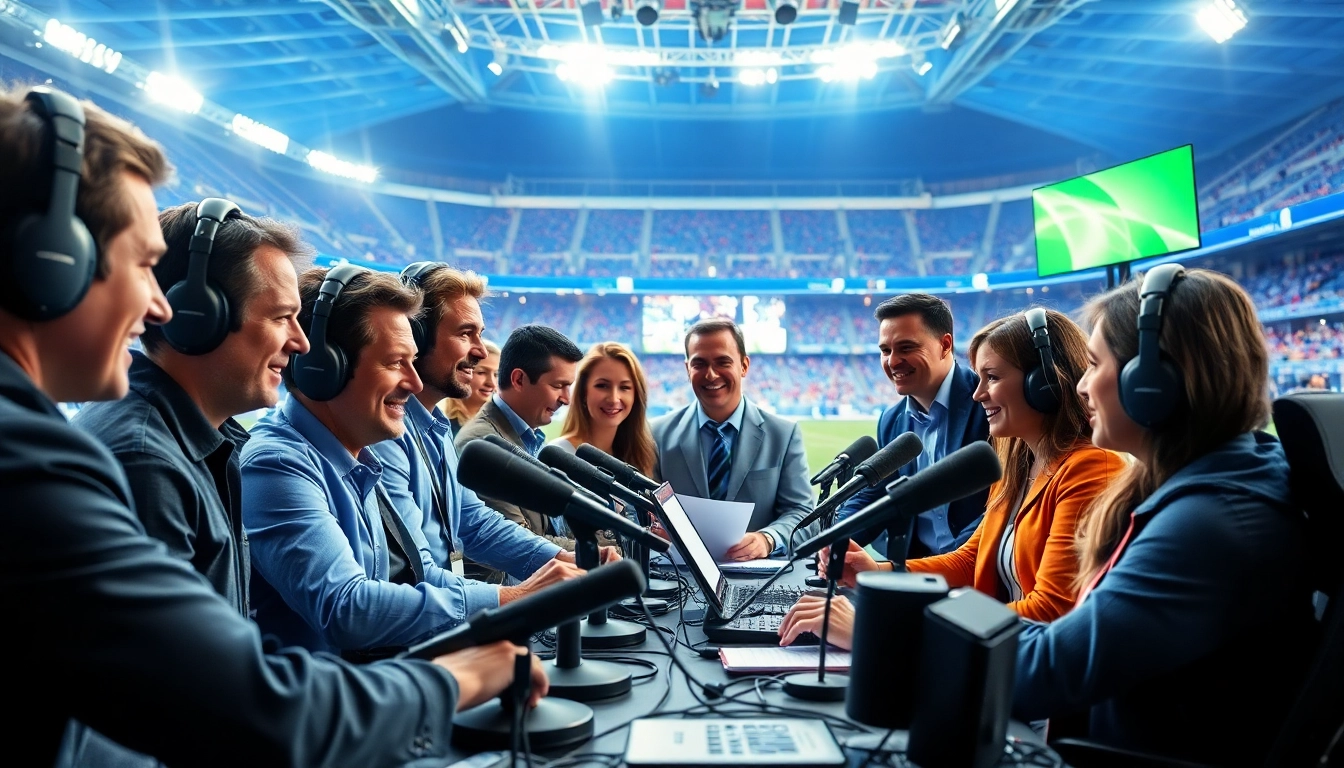
Understanding Sports Broadcasting
What is Sports Broadcasting?
Sports Broadcasting involves the dissemination of sports content through various media platforms, allowing fans to consume live or recorded sports events. This broadcasting can take place through television, radio, and online streaming services. The essence of Sports Broadcasting lies in its ability to connect audiences with live sporting events, providing commentary, analysis, and entertainment. In recent years, the incorporation of technology has transformed how sports are broadcasted, creating a more immersive experience for fans. As the industry evolves, it has embraced multiple formats, such as digital platforms and social media, redefining how sports content is delivered. For a deeper exploration of Sports Broadcasting, refer to resources at Sports Broadcasting.
The Evolution of Sports Broadcasting
The journey of Sports Broadcasting dates back to the 1920s when radio first aired sports events, offering fans a novel way to experience games. Broadcasting began to gain traction with the advent of television in the 1950s, allowing wider access to audiences. Iconic televised events, such as the Super Bowl and the World Series, were pivotal in showcasing the importance of sports in mainstream media. The rise of media conglomerates in the 1980s and 1990s further revolutionized Sports Broadcasting by creating specialized sports channels.
In the 21st century, the emergence of the internet and mobile devices has given rise to streaming services. Fans now have the ability to watch games live on their smartphones and tablets, leading to significant changes in viewership patterns and commercial strategies. This evolution continues to be shaped by technological advancements, shifting consumer preferences, and the growing significance of social media in amplifying sports narratives.
Key Roles in Sports Broadcasting
Sports Broadcasting encompasses various roles, each crucial to delivering engaging content to audiences. Among these roles are:
- Sports Commentators: They provide real-time analysis and insights during live events, enhancing the viewing experience.
- Producers: Responsible for the overall direction of the broadcast, including content selection, camera angles, and episode flow.
- Reporters: Engage in field reporting, conducting interviews, and providing updates on team performances and events.
- Editors: Work behind the scenes to curate highlights, create engaging graphics, and ensure smooth transitions between segments.
- Audio and Video Technicians: Ensure high-quality sound and visuals, crucial for delivering a professional broadcast.
Essential Skills for Sports Broadcasting
Communication and Presentation Skills
Strong communication and presentation skills are essential for anyone in sports broadcasting. Broadcasters must convey information clearly and engagingly, maintaining the audience’s attention amidst the excitement of sports events. A compelling on-screen presence, coupled with the ability to adapt to spontaneous situations, can distinguish a good broadcaster from a great one. Mastering the art of storytelling—crafting narratives around the games and players—plays a significant role in keeping the viewership engaged.
Technical Skills Required
Given that sports broadcasting heavily relies on technology, proficiency in various technical aspects is necessary. Broadcasters should be knowledgeable about production equipment, editing software, and sound mixing to enhance the quality of their content. Understanding how to operate cameras and use broadcasting platforms effectively can make a significant difference in the final output. Additionally, familiarity with live streaming technologies and social media tools is increasingly important in a digital broadcasting landscape.
Storytelling in Sports Broadcasting
At its core, sports broadcasting is about storytelling. Broadcasters must weave together events, historical contexts, and player backgrounds to create engaging narratives that resonate with audiences. Effective storytelling elevates the viewing experience beyond just the game itself, providing context that connects fans emotionally to the teams and athletes they follow. This includes exploring player backstories, team histories, and significant moments in sports that shape the current narrative. Mastering this skill can significantly enhance audience engagement and loyalty.
Upcoming Trends in Sports Broadcasting
Impact of Streaming Services
The shift to streaming services has fundamentally altered the sports broadcasting landscape. Major leagues are increasingly entering partnerships with digital platforms, allowing fans to watch games on-demand and in innovative formats. Streaming services offer flexibility to viewers who prefer to watch on mobile devices or smart TVs, creating more convenient options than traditional cable. As a result, broadcasters must adapt to this shift, prioritizing content that appeals to digital viewers through interactive and tailored experiences.
Emergence of Virtual Reality
Virtual reality (VR) is on the rise in sports broadcasting, promising an immersive experience for fans. VR can provide unique perspectives on games, allowing viewers to feel as if they are part of the action. This technology enhances fan engagement, particularly for those unable to attend live events. As it becomes more widely adopted, sports broadcasters are exploring ways to integrate VR experiences into their offerings, creating opportunities for sponsorship and advertising that can redefine fan interaction.
Adaptive Technologies in Broadcasting
Adaptive technology refers to innovations that enhance the broadcasting experience for different audiences. For instance, closed captioning and audio descriptions for visually impaired viewers ensure inclusivity in sports broadcasting. In addition, advanced analytics can provide real-time stats and insights that further engage viewers. This focus on accessibility and personalized experiences is essential for broadcasters seeking to reach broader audiences and maintain relevance in a rapidly evolving landscape.
Challenges in Sports Broadcasting
Navigating Rights and Regulations
Sports broadcasting is fraught with challenges arising from complex rights and regulations. Rights to broadcast particular sports events or leagues are tightly controlled and often expensive, forcing broadcasters to navigate a landscape filled with legal constraints. Securing these rights requires a deep understanding of contractual obligations, territorial restrictions, and compliance with broadcasting regulations. Broadcasters must also keep abreast of changing laws that affect media rights, given the frequent changes in the industry.
Audience Engagement Strategies
With increasingly diverse options for sports consumption, effectively engaging audiences is a challenge broadcasters cannot afford to overlook. Innovative strategies, such as interactive elements in broadcasts, social media integration, and community-focused programming, can significantly enhance viewer engagement. By fostering an interactive relationship with fans and tapping into community sentiments, broadcasters can create loyalty and improve viewer retention.
Maintaining Broadcast Accuracy
Accuracy in reporting is crucial in sports broadcasting, particularly in an age of rapid information flow. Misinformation can spread quickly, damaging reputation and viewer trust. Broadcasters must implement rigorous fact-checking processes to ensure all information disseminated is accurate. Additionally, maintaining up-to-date knowledge of sports developments, player statistics, and game conditions is essential to provide timely and reliable content.
Measuring Success in Sports Broadcasting
Key Performance Indicators
Measuring success in sports broadcasting involves utilizing key performance indicators (KPIs) to evaluate the effectiveness of broadcasts. Metrics such as viewership numbers, audience retention rates, and social media engagement rates provide insight into a broadcaster’s performance. By analyzing these KPIs, broadcasters can assess their reach and performance, allowing for data-driven decisions that can improve future broadcasts.
Feedback and Viewer Analytics
Collecting feedback and analyzing viewer data are integral to understanding audience preferences and behaviors. Broadcasters should leverage analytics tools to monitor engagement patterns, feedback trends, and overall viewer satisfaction. This information is invaluable for refining content strategies and enhancing the viewer experience. Regular engagement surveys can also elicit direct feedback from audiences, informing content decisions.
Continuous Improvement Practices
In a dynamic industry like sports broadcasting, continuous improvement practices are essential for staying ahead of the competition. This involves regularly evaluating and refining broadcasts, training staff, and integrating new technologies. By fostering a culture of innovation and adaptability, broadcasters can enhance their offerings and effectively respond to shifting audience preferences and industry trends. Continuous improvement translates into sustained viewer engagement and long-term success.
FAQs
What are the primary forms of Sports Broadcasting?
The primary forms of Sports Broadcasting include television, radio, and online streaming services.
How has technology changed Sports Broadcasting?
Technology has enhanced Sports Broadcasting through innovations such as real-time analytics, VR experiences, and mobile streaming.
What skills do sports broadcasters need?
Key skills for sports broadcasters include communication, technical proficiency, storytelling, and adaptability under pressure.
What challenges do sports broadcasters face?
Challenges include navigating legal regulations, engaging diverse audiences, and maintaining broadcast accuracy.
How is success measured in Sports Broadcasting?
Success is measured using KPIs such as viewership numbers, audience retention, and viewer engagement metrics.